
As the temperatures begin to drop and leaves start changing colors in Oceanside, NY, homeowners naturally turn their attention to fall preparations. While you're cleaning gutters and winterizing your garden, there's another crucial area that deserves your attention: your home's security system. Fall is the perfect time to conduct a comprehensive locksmith inspection of your property, ensuring your family stays safe and secure throughout the cooler months ahead. With children back in school, darker evenings arriving earlier, and the holiday season approaching, now is the ideal moment to address any security vulnerabilities before they become problems.
Why Fall is Critical for Home Security Maintenance
The transition from summer to fall brings unique security challenges that Oceanside homeowners need to address proactively. During summer months, families often leave windows open, doors unlocked, and maintain more relaxed security habits. As we move into fall, it's time to tighten up these practices and ensure your home's physical security measures are functioning optimally.
The darker evenings that come with fall create more opportunities for potential intruders. In Oceanside, sunset times shift from around 8 PM in early September to before 5 PM by late November. This extended darkness means your home needs robust security features that work reliably in all conditions. Additionally, fall weather in our coastal community can be unpredictable, with rain, wind, and early cold snaps that can affect lock mechanisms and door hardware.
Back-to-school season also means establishing new routines, distributing keys to older children, and potentially dealing with latchkey situations. These changes require careful planning from a security standpoint. Finally, with the holiday season approaching, packages will soon be arriving at doorsteps, making secure entry points and smart key management more important than ever.
Inspecting All Entry Points
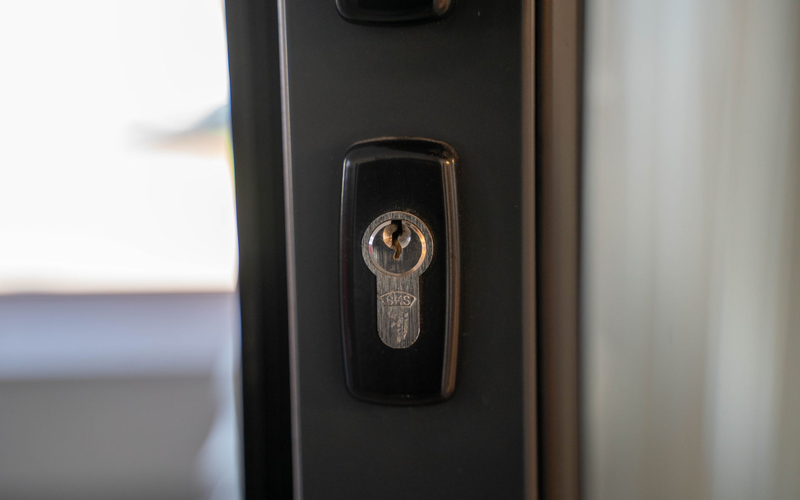
A comprehensive fall security check begins with a thorough inspection of every entry point to your Oceanside home. Start with your front door, the most frequently used access point and often the first line of defense against intruders. Examine the deadbolt to ensure it extends fully into the door frame when locked. A deadbolt should extend at least one inch into the strike plate for optimal security.
Check the condition of your door itself. Oceanside's coastal humidity can cause wooden doors to swell, warp, or deteriorate over time. If you notice gaps between the door and frame, or if the door sticks when opening or closing, it may be time for adjustments or replacement. Remember that even the best lock provides little security if the door itself is compromised.
Move through your home systematically, checking every exterior door including back doors, side doors, garage entry doors, and basement access points. Each should have a quality deadbolt lock in addition to the knob lock. Many homeowners overlook their garage door leading into the house, but this is actually one of the most vulnerable entry points. Ensure this door has the same level of security as your front door.
Don't forget about sliding glass doors and windows, which are particularly vulnerable. Sliding doors should have a secondary security bar or pin lock in addition to the built-in lock. Test all window locks to ensure they engage properly. Consider adding window security pins or keyed locks for ground-level and easily accessible windows.
Testing Lock Functionality
Once you've inspected all entry points, it's time to test the actual functionality of each lock. Insert your key into each lock and pay attention to how smoothly it operates. Keys should turn easily without excessive force or sticking. If you're experiencing resistance, this could indicate several issues: dirt and debris buildup inside the lock mechanism, misalignment between the lock and strike plate, or internal wear on the lock cylinder.
For deadbolts, test both the keyed side and the interior thumb turn. The bolt should slide in and out smoothly without catching or grinding. Listen for unusual sounds when operating the lock – clicking, grinding, or scraping noises often indicate internal problems that will worsen over time.
Doorknob locks should latch firmly when the door closes. If you need to push or pull the door to get it to latch, this indicates misalignment that should be addressed. Test the lock button or turn mechanism from inside to ensure it engages properly.
Check your smart locks and electronic entry systems if you have them. Replace batteries proactively if they've been in use for more than six months. Clean the keypad or fingerprint reader according to manufacturer instructions. Verify that all programmed codes still work and delete any codes that are no longer needed, such as those for summer house guests or contractors who have completed their work.
Lubricating and Maintaining Locks
Proper lubrication is essential for lock longevity and reliable operation, especially as we head into the colder months when metal components can become stiff. However, many homeowners make the mistake of using the wrong lubricants, which can actually cause more problems than they solve.
Never use WD-40 or oil-based lubricants in lock cylinders. These products attract dust and dirt, which will gum up the delicate internal mechanisms over time. Instead, use a dry lubricant specifically designed for locks, such as graphite powder or a Teflon-based spray lubricant.
To properly lubricate a lock, insert the nozzle of your graphite powder or dry lubricant directly into the keyway. Apply a small amount – less is more when it comes to lock lubrication. Insert and remove your key several times to distribute the lubricant throughout the cylinder. Wipe away any excess that appears on the exterior of the lock.
For hinges, door closers, and other moving parts, a light application of silicone-based lubricant works well. Pay special attention to exterior hardware that's exposed to Oceanside's salt air, which can accelerate corrosion. Apply lubricant to hinge pins by opening the door and spraying or applying product to the top of each hinge, allowing gravity to pull it down into the mechanism.
Cleaning is equally important as lubrication. Use a soft brush to remove dirt, spider webs, and debris from around lock hardware. For coastal homes like those in Oceanside, salt buildup can be particularly problematic. Wipe down exterior hardware with a damp cloth periodically to remove salt deposits.
Evaluating Your Key Management System
Fall's back-to-school season makes this the perfect time to reassess your family's key management strategy. Start by accounting for all copies of your house keys. Many families are surprised to discover they've distributed far more keys than they realized over the years – to babysitters, dog walkers, contractors, house sitters, and extended family members.
Create a list of everyone who has a key to your home. Consider whether each person still needs access. Former service providers, ex-partners, previous tenants (if you recently moved in), and grown children who have moved out should not retain keys to your home. If you're uncertain about who has keys or concerned about unreturned copies, rekeying your locks should be a top priority.
For families with school-age children who come home before parents, establish clear protocols. Latchkey kids should understand the importance of never hiding keys outside the home, as burglars know all the common hiding spots. Consider alternatives like keypad locks that allow children to enter with a code, eliminating the risk of lost keys.
Keychains matter more than most people realize. If your keys are attached to identification, you've created a security risk. A lost keychain with your address gives a finder everything needed to access your home. Use generic keychains and consider labeling keys with codes only you understand rather than obvious identifiers.
For families managing multiple keys, establish a key station inside your home – a designated spot where keys are always stored when not in use. This prevents the morning scramble to find keys and reduces the likelihood of keys being left in vulnerable locations like car ignitions or outside door locks.
When to Rekey Versus Replace Your Locks
One of the most common questions Oceanside homeowners ask is whether they should rekey existing locks or replace them entirely. Understanding the difference and knowing which option suits your situation can save money while ensuring optimal security.
Rekeying involves changing the internal pins and springs inside your existing lock cylinder so that a new key operates the lock while old keys no longer work. This is an excellent solution when your locks are in good working condition but you need to invalidate old keys. Common scenarios include moving into a previously owned home, ending a relationship where the other person had keys, losing track of who has keys, or experiencing an employee or contractor turnover.
Rekeying is typically more affordable than full lock replacement and can often be done quickly by a professional locksmith. In Oceanside, many locksmiths offer mobile rekeying services, coming directly to your home with the necessary tools and pin kits. If you have multiple locks from the same manufacturer, they can often be rekeyed to work with a single key, adding convenience to your security upgrade.
Lock replacement becomes necessary when locks are damaged, worn out, outdated, or if you're upgrading to higher security options. If your locks are more than 10-15 years old, replacement might be the better choice. Older locks lack the security features of modern options and may have internal wear that compromises their reliability.
Signs that you need lock replacement rather than rekeying include: visible damage to the lock body or cylinder, keys that stick or are difficult to turn even after cleaning and lubrication, locks that don't latch properly due to internal wear, or if you want to upgrade to smart locks or high-security cylinders. If your home has builder-grade locks that were installed when the house was constructed, upgrading to higher-grade locks provides substantially better security.
For most Oceanside homes, a combination approach works well: rekey locks that are functioning properly but need new keys, and replace locks that are worn, damaged, or inadequate for your security needs.
Upgrading to High-Security Options
Fall is an excellent time to consider upgrading your home's security with modern lock technology. The locksmith industry has made tremendous advances in recent years, offering Oceanside homeowners options that were previously only available for commercial properties.
High-security deadbolts feature pick-resistant and drill-resistant cylinders, reinforced strike plates, and hardened steel bolts. Brands like Medeco, Mul-T-Lock, and Schlage Primus offer cylinders that are extremely difficult to pick or bump, providing superior protection against sophisticated break-in techniques. These locks also typically feature restricted keyways, meaning keys can only be duplicated by authorized dealers, giving you complete control over key distribution.
Smart locks represent another major upgrade option. These allow you to lock and unlock your door via smartphone app, create temporary access codes for guests or service providers, receive notifications when doors are locked or unlocked, and even integrate with home automation systems. For Oceanside families, smart locks eliminate worries about kids losing keys or needing to leave work to let in a repair person.
When considering smart locks, pay attention to battery life, ease of code programming, backup entry methods (in case of electronic failure), and whether the lock maintains traditional key access. Some homeowners prefer hybrid models that offer both smart features and traditional key operation.
Keypad locks provide a middle ground between traditional and fully smart locks. These allow entry via code without requiring smartphone connectivity or batteries (though electronic versions do need power). They're excellent for families with children, rental properties, or anyone who frequently has guests needing access.
For particularly vulnerable entry points like back doors or basement access, consider adding secondary locks. Double-cylinder deadbolts (requiring a key on both sides) prevent intruders from breaking a window and reaching through to unlock the door, though local fire codes should be consulted as these can pose egress issues in emergencies.
Addressing Common Fall Lock Problems
Oceanside's fall weather brings specific challenges that affect lock performance. Understanding and addressing these seasonal issues ensures your locks work reliably when you need them most.
Moisture is a primary concern in our coastal environment, especially during fall rain and early winter conditions. When temperature fluctuations cause condensation inside lock mechanisms, this moisture can lead to freezing in cold snaps, causing locks to jam. Prevent this by ensuring locks are properly sealed where they meet the door, using weatherstripping and door sweeps to prevent moisture infiltration.
Fallen leaves and debris can accumulate around door frames and in lock mechanisms, particularly for doors that aren't used daily like side or back entrances. Make it part of your fall routine to clear debris from around all doors, ensuring nothing interferes with proper door closing and lock engagement.
Temperature changes cause metal to expand and contract, which can affect lock alignment. A lock that worked perfectly in summer might become stiff or difficult to operate as temperatures drop. If you notice increased resistance when turning keys, have a locksmith check the alignment before the problem worsens.
Corrosion accelerates in fall when salt air combines with moisture and temperature fluctuations. Oceanside homes are particularly susceptible to this issue. Regularly inspect outdoor hardware for signs of corrosion – white, green, or brown deposits on brass, bronze, or steel components. Address corrosion early with appropriate cleaners and protective coatings designed for exterior hardware.
Preventing Common Lockout Situations
Lockouts spike during fall and winter months as people layer clothing, carry more items, and deal with darker conditions that make it harder to locate keys. Implementing preventive strategies now can save you from frustrating and potentially costly lockout situations.
Establish habits that minimize lockout risk. Always do a pocket or purse check before closing and locking any door. Make it a rule to never lock a door from the inside and close it behind you without verifying you have keys in hand. This simple habit prevents the majority of residential lockouts.
For homeowners who frequently lock themselves out, consider installing at least one keypad or smart lock. This provides a backup entry method that doesn't rely on physical keys. Choose a memorable but non-obvious code – avoid birthdays, addresses, or simple sequences like 1234.
Hide-a-key solutions seem convenient but rarely provide good security. Burglars know to check under doormats, above door frames, in fake rocks, and inside planters. If you absolutely must have an emergency key hidden, choose a location well away from the door – perhaps in your detached garage or with a trusted neighbor.
For families, ensure multiple people have keys and know where spare keys are kept inside the home. If a child locks themselves out, they should have a clear protocol: go to a specific trusted neighbor, call a parent, or access a key from a predetermined secure location.
Consider establishing a relationship with a reliable Oceanside locksmith before you need emergency services. Save their number in your phone and know their service hours and response times. In a lockout situation, you'll be glad to have a trusted professional to call rather than choosing randomly from internet search results.
Security Tips for Families with Latchkey Kids
Many Oceanside families deal with situations where children arrive home before parents during the school year. This requires special security considerations to keep kids safe while maintaining home security.
First, ensure children old enough to be home alone are mature enough to handle key responsibility. This includes understanding not to show keys to others, never telling people they're home alone, and following proper lock-up procedures when entering the home.
Teach children to always lock the door immediately after entering. Many break-ins occur in that brief window when children are home but doors remain unlocked. Practice the routine: enter, close door, lock deadbolt, check that it's secure.
Keypad locks offer particular advantages for latchkey situations. Kids can't lose codes like they can lose keys, and you can easily change codes if security is compromised. Some smart locks allow you to receive a notification when your child's code is used, providing peace of mind that they've arrived home safely.
Establish clear rules about not opening the door for anyone when alone. Children should know that even if someone claims to be a repair person, delivery driver, or friend of the parents, they should not open the door. Legitimate visitors will understand and return when adults are home.
For younger children, consider a check-in system. They should call or text a parent immediately upon arriving home. Some smart locks can send automatic notifications, handling this check-in digitally.
Make sure children know how to properly lock all types of locks in your home, including any secondary security devices. Practice with them until they can perform these tasks confidently and quickly.
Securing Windows and Secondary Entry Points
While most homeowners focus on door locks, windows and secondary entry points often receive insufficient attention despite being common target areas for break-ins.
Ground-level windows require robust locking mechanisms. Standard window locks are better than nothing, but auxiliary locks provide significantly better security. Pin locks, keyed window locks, and ventilation locks (which allow windows to open a few inches for airflow while preventing full opening) are all worthwhile investments for Oceanside homes.
Basement windows are particularly vulnerable and often overlooked.